
 NEXT CHAPTER
A Major Shift Between OpenAI and Google
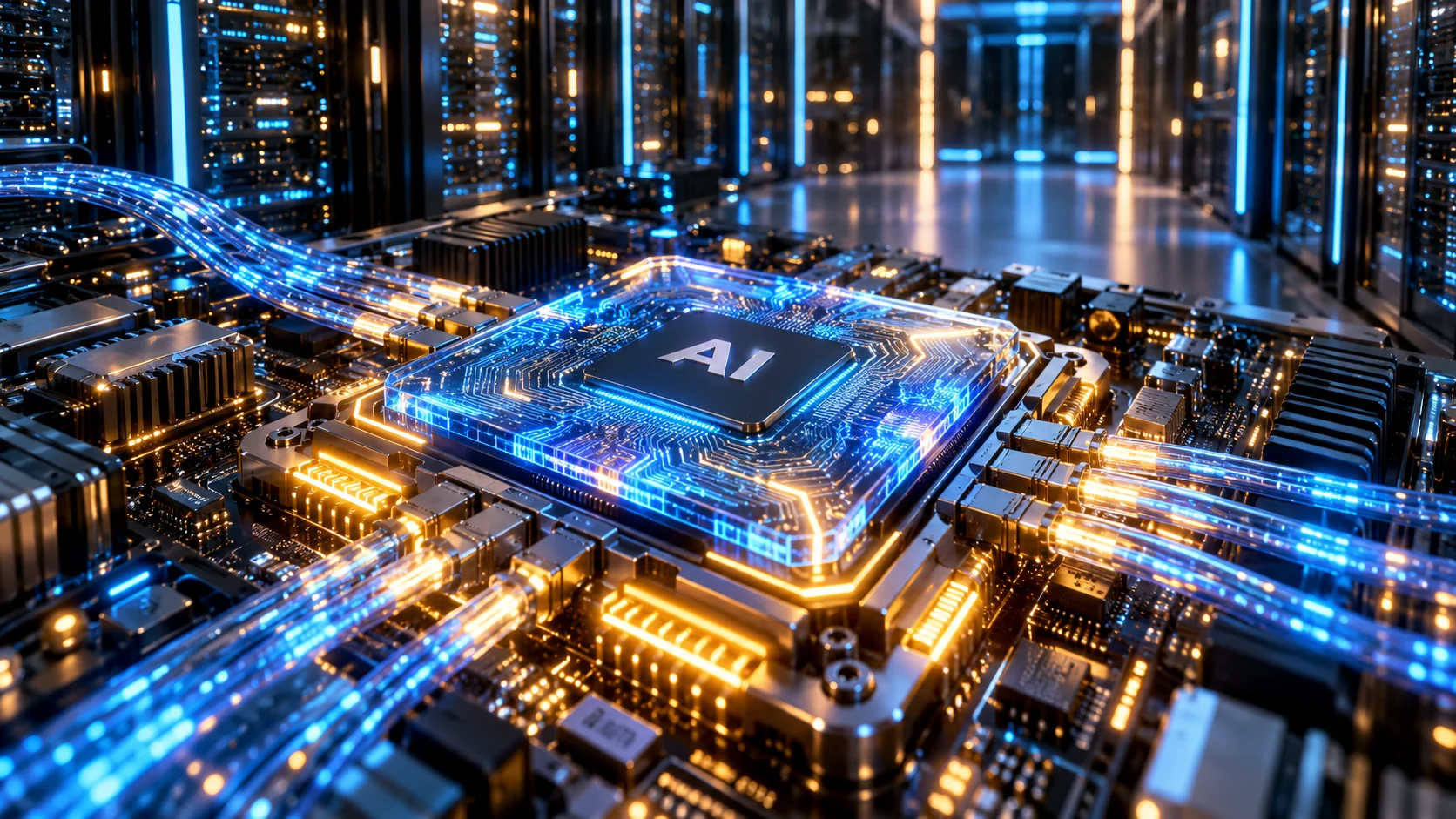
A Major Shift Between OpenAI and Google 👉 Reports have emerged that OpenAI, one of Nvidia’s largest customers, is preparing to purchase Google’s in-house AI chips, known as TPUs (Tensor Processing Units). What makes this development even more interesting is that OpenAI has reportedly posted a job listing for a Software Engineer to optimize AI models running on Google’s TPU infrastructure, adding further weight to these reports. 👉 Previously, OpenAI had reportedly used Google Cloud’s TPU infrastructure through short-term rental arrangements to help reduce inference costs for ChatGPT and its APIs. However, this time, the discussion appears to be moving beyond simply *renting* compute capacity toward potentially *purchasing* the chips outright. Meanwhile, Oracle has announced plans to integrate Google’s TPUs into its OCI (Oracle Cloud Infrastructure) platform in 2027. The timing of these developments makes the situation even more interesting. 😢 However, looking at the practical side, several uncertainties and challenges remain. Neither company has officially confirmed whether a deal has been signed, how many chips OpenAI intends to purchase, or which TPU generation would be involved. Another major challenge is the technical transition from Nvidia’s CUDA ecosystem to Google’s TPU software stack, including JAX and PyTorch on TPU. Migrating and optimizing existing AI models to run efficiently on a different hardware architecture is no easy task and could require considerable engineering effort. ✅ So, what can we learn from this development? The AI chip industry may be moving away from an era dominated by Nvidia toward a more diversified, multi-vendor AI hardware ecosystem. For a leading company like OpenAI, exploring Google TPUs could be a strategic move for several reasons: - Reducing dependence on Nvidia GPUs and minimizing hardware supply constraints. - Lowering inference costs and achieving a more competitive cost per token. - Diversifying its computing infrastructure. - Strengthening its negotiating leverage in the AI hardware market. In other words, this could be a strategically important move for OpenAI as it looks to scale its AI operations while keeping computing costs under control. 🫠 Oh, and here's another interesting point: Google and OpenAI are direct competitors in the chatbot and AI agent markets. Think about it. Two companies competing head-to-head in the AI industry, yet one may end up purchasing critical hardware from the other. This situation clearly demonstrates how dynamic and unpredictable partnerships within the AI industry can be. Even direct competitors may find themselves working together when business strategy and infrastructure needs make it worthwhile. 😉 Anyway, technology and AI are advancing at an incredible pace, day by day. That's why we need to keep our eyes open and stay informed about what's happening around us. Technology is a double-edged sword. Understanding both its benefits and the potential changes it may bring allows us to prepare for what's ahead. From a business perspective, we should look beyond AI models themselves and pay attention to the competition happening behind the scenes, particularly in computing costs, hardware infrastructure, and processing capabilities. Businesses that understand these shifts early and adapt their strategies accordingly will have a better chance of growing, staying competitive, and remaining one step ahead. Sources & References
OpenAI Reportedly Plans to Buy Google TPUs: Claimed vs Verified — explainx.ai ↗
Google's AI chip business is getting harder for Nvidia to ignore — Business Insider ↗
OpenAI Reportedly Plans to Buy Google's AI Chips — The Motley Fool ↗
Keep the conversation going
Sign in to save articles, react or comment.